




Science Story
Redefining Antimicrobial Solutions
The Next-Gen Biowarriors Against Superbugs
Science Story
Redefining Antimicrobial Solutions
The Next-Gen Biowarriors Against Superbugs
Nature’s Smart Antibiotics: Viruses that selectively infect and lyse pathogenic bacteria
Evolutionary Guardians: 3.8 billion-year-old microbial regulators maintaining ecological balance
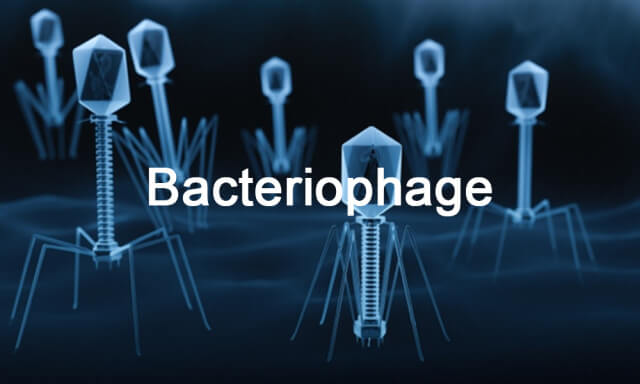
What are bacteriophages?
What They Are:Viruses that exclusively infect and destroy bacteria
Structure:Protein capsid (head) + DNA/RNA + tail fibers for bacterial attachment
Abundance:Most numerous biological entities (≈10³¹ total)
Specificity:Most phages target specific bacterial strains or species
Natural Role:Maintain bacterial balance in all ecosystems
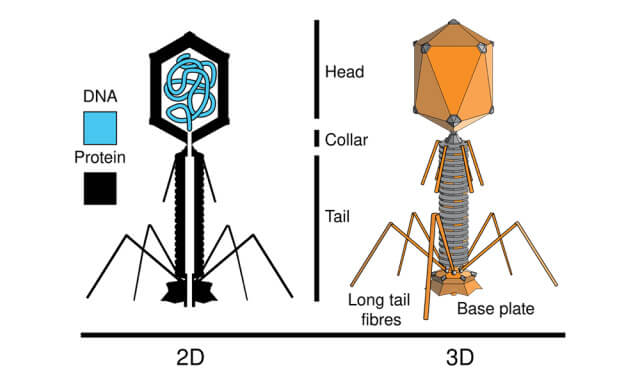
History of Bacteriophage Research
Period | Major Developments | Significance | |
|---|---|---|---|
1915-1919 | - 1915: Twort observes bacterial lysis | Discovery of phages and their therapeutic potential | |
1920-1940 | - Widespread therapy in USSR/Europe |
| |
1940-1990 | - Antibiotics dominate | Western medicine abandons phages due to antibiotic convenience | |
2000-Present | - FDA approves food applications (2006) | Renaissance due to antibiotic resistance crisis |
Major Applications of Bacteriophages
Field | Current Uses | Future Potential | |
|---|---|---|---|
Human Medicine | - MRSA infections | Personalized phage cocktails | |
Agriculture | - Livestock disease prevention | Replace growth-promoting antibiotics
| |
Food Industry | - Listeria control in deli meats | Standard food safety protocol | |
Environment | - Wastewater treatment |
|
VS
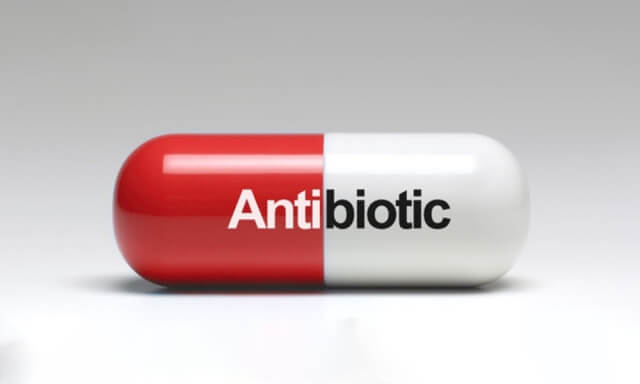
Comparative Analysis: Phages vs Antibiotics
Criteria | Bacteriophages | Antibiotics |
|---|---|---|
Targeting | Highly specific (single bacterial strains) | Broad-spectrum (kills beneficial bacteria too) |
Resistance | Self-evolving (adapts with bacteria) | Fixed formula (resistance develops rapidly) |
Production | 100% Natural biological cultivation (lower cost) | Chemical synthesis (expensive) |
Ecosystem Impact | Biodegradable, no pollution | Persists in environment, disrupts microbiomes |
Approval Status | Emerging regulations (case-by-case approvals) | Well-established protocols |