




Research & Development
As a company driven by science and purpose, we never stop looking for new ways to marry one with the other, using the latest research and technology to further our purpose of advancing care for animals.
How Bacteriophages Work: The Viral Attack on Bacteria
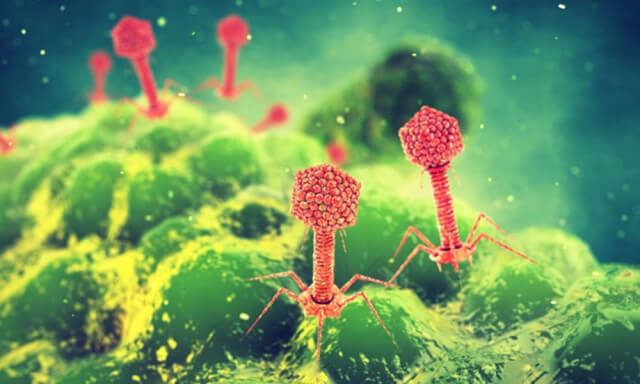
Bacteriophages (phages) eliminate bacteria through a precise, multi-step process called the lytic cycle. Here’s a breakdown of their mechanism:
1.Attachment (Target Locking)
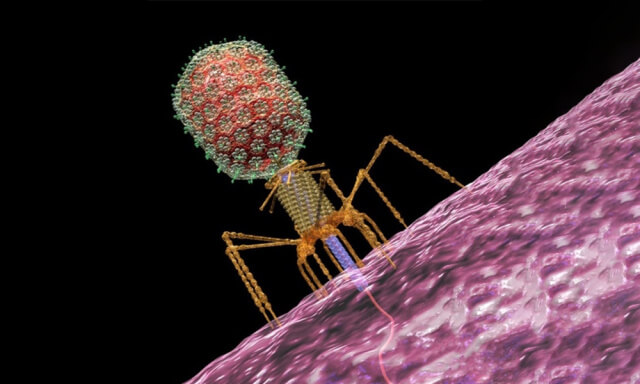
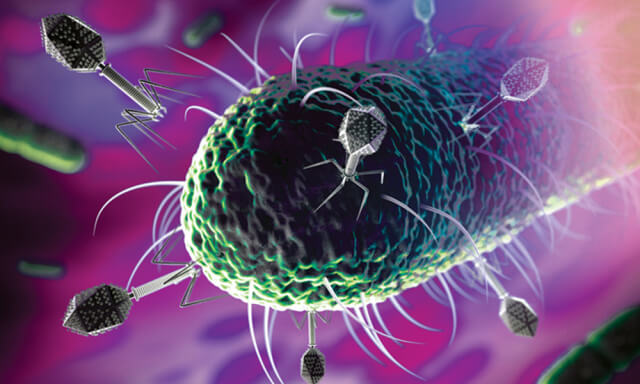
• Process: Phages use tail fibers to recognize and bind to specific surface receptors on bacteria
• Specificity: Like a key-lock system (e.g., T4 phage only attaches to E. coli)
• Visual: [Insert icon: phage “docking” on bacterial surface]
2. Genetic Injection (Hijack Start)
• Action: Phage injects its DNA/RNA through the tail into the bacterial cell
• Tool: Tail acts like a molecular syringe
• Result: Bacterial machinery is commandeered
3. Replication (Viral Takeover)
Stage | Bacterial Cell Activity | Outcome |
|---|---|---|
Early Phase | Stops normal bacterial functions | Host metabolism redirected |
Mid Phase | Mass-produces phage DNA & proteins | 50-200 new phage particles created |
Late Phase | Assembles complete new phage particles | Bacterial resources exhausted |
4. Lysis (Destructive Exit)
• Enzymes: Phage produces endolysins (cell wall-breaking enzymes)
• Effect: Bacterial cell bursts like an overinflated balloon
• Release: 100+ new phage progeny erupt to infect nearby bacteria
• Efficiency: Exponential bacterial killing (1 phage → 100 → 10,000 in hours)